With pKCNH5 expression in melanoma samples. The methylation of sKCNH5 is also not related to pKCNH5 methylation in melanoma. Importantly, we and others have found that primary adult melanocytes do not express either transcript of KCNH5. According to data from the Roadmap Epigenomics Project, melanocytes show no DNase1 sensitivity at the sKCNH5 promoter, suggesting a condensed Albaspidin-AA chromatin state at that site. Thus the finding that melanoma samples express the placental transcript of KCNH5 is notable given that healthy melanocytes do not express either transcript of this gene. We have previously demonstrated that the retrotransposonderived transcript of KCNH5 is expressed exclusively in the human placenta. We detected high levels of methylation in its promoter and did not detect expression in any of the somatic tissues. Therefore, the expression of pKCNH5 and its coordinate hypomethylation in melanoma may reflect a tumour-associated epigenetic change. Hypomethylation and expression of many retrotransposon-derived sequences in the placenta is Ginsenoside-Ro assumed to contribute to the invasive features of the primate hemochorial placenta. We speculate that hypomethylation in melanoma cells may involve mechanisms similar to those in the placenta and contribute to their malignant phenotype. Analysis of other retrotransposon-derived promoters in melanoma may provide further insight into hypomethylation as an event that is part of the cancer transformation pathway. Exposure to microgravity results in post-flight cardiovascular deconditioning and orthostatic intolerance in astronauts. The animal-based studies have confirmed the differential structural 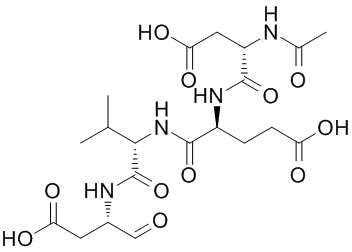 and functional changes in hindlimb unweighting rat cerebral and mesenteric arteries. Although much progress has been made in the past two decades, the underlying mechanism of adaptive alterations in the vasculature remains to be established. The roles of oxidative stress injury caused by reactive oxygen species in vascular structural and functional remodeling have been well established in cardiovascular and metabolic disorders. Human and rodent studies have indicated that oxidative stress occurs after spaceflight, which is more pronounced after long-duration spaceflight, and it might be related to oxidative/antioxidative imbalance. Serum and salivary vitamin C and E levels were significantly decreased, whereas malondialdehyde levels were significantly increased in human subjects exposed to 26u head-down-tilt bed rest. Dietary restrictions alleviated tissue oxidative response. Microgravity affected the molecular machinery responsible for sensing alterations of flow and generated a pro-oxidative environment that activated inflammatory responses, altered endothelial behavior, and promoted senescence in cultured human umbilical vein endothelial cells. Our previous work found that superoxide levels increased in HU rat cerebral arteries, which could be a ributed to the activated local renin-angiotensin system. We also found that NADPH oxidase inhibition with apocynin reversed abnormal vascular responses to vasoconstrictors and vasodilators, and these effects were related to the regulation of the nitric oxide synthase -NO system in HU rat cerebral arteries. However, the characteristics of expression and activity of NADPH oxidases are unknown.