TP activity was not measured in the investigated tissues as it is well known that TP protein expression correlates with its activity. Isoacteoside 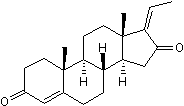 Furthermore, TYMP, formerly known as plateletderived endothelial cell growth factor”, may exert a role in different types of tumors. In particular, TP expression has been found to be elevated in various solid tumors where it is likely involved in mechanisms that regulate cell proliferation, apoptosis, and angiogenesis. Finally, TP immunolabeling was also identified in sinusoidal lining Kupffer-like cells. However, the role exerted by TP in these specialized cells is still largely unknown. Using WB we also compared TP levels in a number of normal tissues and found that the amount of TP measured in the duodenal mucosa was Praeruptorin-B between that of liver and bone marrow. These findings are in line with finding of a dense infiltrate of TP immunopositive cells distributed mainly throughout the lamina propria and displaying features of immunocytes and fibroblasts. Normal buffy coats showed TP levels similar to the duodenal mucosa, but was not detectable in MNGIE buffy coats. In conclusion, our study demonstrates that the liver is a useful source of TP, six times higher than bone marrow. Thus, we propose orthotopic liver transplantation as a therapeutic alternative for MNGIE patients with a possible be er outcome in terms of survival rate. Cystic fibrosis is the most common life-limiting autosomal recessive disease. It is caused by mutations of the gene encoding the cystic fibrosis transmembrane conductance regulator, a cAMP-activated chloride channel. The predominant CFTR-F508del mutation, carried by 2�C3% of individuals of European descent, disrupts the biosynthetic processing of CFTR such that the protein is retained in the endoplasmic reticulum and degraded. Individuals homozygous for the F508del mutation have classic CF-related morbidities, including pulmonary disease, gastrointestinal abnormalities, and pancreatic insufficiency. However, li le is known about the direct effect of CFTR and the common CFTR mutations on cardiovascular physiology. Patients with CF, as well as CFTR-F508del carriers, have decreased blood pressures. As some have speculated, the F508del mutation��s evolutionary persistence may be related in part to this antihypertensive effect. Alternatively, the cardiovascular effects of the CFTR-F508del mutation could contribute to morbidity and mortality if a hypotensive phenotype correlates with altered tissue perfusion or elicits a neurohumoral response that could exacerbate the secondary pulmonary hypertension seen in cystic fibrosis patients with chronic lung disease. Intriguingly, the lower blood pressure seen in heterozygous F508del women is most dramatic in those with the highest sweat chloride levels, suggesting a potential explanatory relationship between blood pressure and fluid or electrolyte status. However, studies have consistently shown a lack of hypovolemia in CF patients,, and an increasing number of investigations have identified functional CFTR expression in non-epithelial cells, including human bronchial smooth muscle cells. Interestingly, airway smooth muscle cells isolated from patients with the F508del mutation have reduced histamine-induced calcium release.