These findings indicate that endothelial cells are a possible source of extracellular HMGB1 that could be inhibited by atorvastatin. The decrease in IL-8 levels in supernatants of activated HUVEC by atorvastatin was used as a comparator since it is already known that statins inhibit mRNA expression of IL-8 in activated HUVEC. Inhibition of HMGB1 release by activated HUVEC points to Ginsenoside-Ro another potential anti-inflammatory effect of statins on vascular endothelium. The actual mechanism of inhibition of HMGB1 release by HUVEC still needs further elucidation. HMGB1 levels were also lower in GPA patients on prednisolone therapy. Previous studies have demonstrated that corticosteroids can reduce extracellular release of HMGB1 by monocytes in vitro and they can also reduce HMGB1 expression and circulating levels in vivo. However, these findings were not confirmed in patients with rheumatoid arthritis. In conclusion, no association was observed between subclinical carotid atherosclerosis and HMGB1 while sRAGE was negatively associated with carotid IMT in GPA. Statin use was associated with lower HMGB1 levels suggesting an additional anti-inflammatory property of statins. As subclinical atherosclerosis was similar between patients and controls, we suggest that development of premature atherosclerosis in GPA patients might be postponed by sRAGE and use of statins or prednisolone. Since our study had a relatively low number of patients and had a crosssectional design, further longitudinal studies are needed to evaluate if reduction of serum HMGB1 levels might be important in CV risk management in GPA. Tuberculosis remains a major global health problem. In 2012, an estimated 8.6 million people developed TB and 1.3 million died from the disease. Accurate and rapid diagnosis of TB is vitally important in establishing appropriate clinical management and infection control measures. Currently, the most common method for TB diagnosis worldwide is sputum smear microscopy, the sensitivity of which is notoriously poor, particularly in human immunodeficiency virus �Cpositive patients. Culture, the gold standard diagnostic method, is highly sensitive but takes between two and six weeks to obtain a result. To address the need for rapid and sensitive diagnosis of TB, a number of nucleic 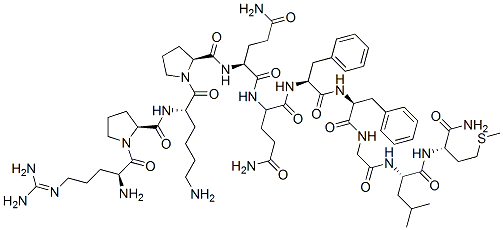 acid amplification assays have been invented;however, they are still not routinely applied in developing countries due to their high cost, complicated procedures, insufficient laboratory facilities, and a shortage of skilled technologists. Loop-mediated isothermal amplification is a novel nucleic acid amplification method that does not require an expensive thermocycler or detection system. TB-LAMP is a new manual TB detection method based on the LAMP platform from Eiken Chemical Company in Japan. TB-LAMP has several features that make it a ractive as a diagnostics platform for resource-poor se ings: it is fast, isothermal, robust to inhibitors and reaction conditions that usually adversely affect polymerase chain reaction methods, and it Sipeimine generates a result that can be detected with the naked eye. From 2007 to 2010, Eiken Chemical Company and Foundation for Innovative New Diagnostics successfully developed a next-generation TB-LAMP kit, which has a procedure for ultra rapid DNA extraction.
Author: screening library
KDR detected in xenograft injected tumor were highly expressed compared to MT
Supported the higher risk of tumor metastasis and may related to the promotion of blood flow in tumors. Our results did not exclude the possibility of lymphatic spreading or/and increased MMPs expression in MT-induced metastasis. Manipulation or massage therapies are usefully to support and release the tense for clinical care of cancer patients. However, in OS patients, because of the young age that many cases are mis-diagnosed as “growing pain” or “myofacial pain” and search for MT before diagnosed as OS that may influence the prognosis or survival rate. As there are increasing evidence that MT on tumor may take the risk to promote tumor progression and induce metastasis and taken our previous clinical observation and in vivo evidence together, we conclude and suggest that physicians should pay more a ention on those patients who seek MT or massage and should take prior diagnosis to get rid of the possibility of osteosarcoma. Recent studies suggest that the vaginal microbiome may be linked to soluble mucosal defense. Specifically, genital tract secretions have been consistently shown to possess in vitro Salvianolic-acid-B inhibitory activity against E. coli. This activity, which may reflect contributions from the host innate immune mediators such as defensins as well as from microbiota, may be critical during pregnancy and prevent dysbiotic vaginal colonization and ascending infection. Earlier studies showed that the E. coli inhibitory activity was reduced among non-pregnant women with BV and was restored following successful treatment with metronidazole. In a recent cross sectional study, genital tract secretions obtained by vaginal swabs from near term healthy pregnant women were found to 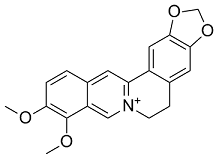 have significantly higher inhibitory activity against E. coli that was inversely correlated with E. coli vaginal colonization. A separate study using cervicovaginal lavage samples from healthy non-pregnant women suggested that the inhibitory activity may be mediated, at least in part, by soluble proteins secreted by lactobacilli. Using biochemical techniques including mass spectrometry, four Lactobacillus proteins were present exclusively in CVL samples with high, but not in samples with low activity. These proteins Coptisine-chloride included the S-layer protein, a bacterial surface layer protein, and a cell separation protein for L. crispatus and adhesion exoprotein for L. jensenii. Building on this background, the current study was designed to further evaluate the link between E. coli inhibitory activity and the vaginal microbiome and to test the hypothesis that high E. coli inhibitory activity would be associated with healthy Lactobacillus species dominant microbiome whereas low activity would be associated with a more diverse microbiome. Utilizing samples previously obtained from healthy near term pregnant and nonpregnant women, we also tested the hypothesis that pregnancy would alter the microbiome, as suggested in a prior study. There were no differences detected in the vaginal microbiome between healthy near term pregnant and non-pregnant women. These findings are consistent with one other study in which the microbiome exhibited less diversity and richness in pregnant women sampled between 18�C32 weeks gestation.
Again suggesting that Bd DNA similarly might not have been present in each replicate
Because a single replicate was positive from three different plates, including the final qPCR using purified DNA, these data do suggest MGHA54 was positive for Bd. Although it is difficult to discern the truth about MGSS30 and MGHA54, because separate plates yielded positive replicates and contamination was unlikely, I report these samples as Bd-positive. Regardless, all nine replicates of MGHB42 were positive for Bd, undeniably confirming its presence in material from Madagascar. The status of Bd in wild amphibian populations in Madagascar remains uncertain and calls for urgent targeted field surveys in regions where these Bd-positive animals were likely collected. The human-assisted movement of traded animals introduces an opportunity for Bd cross-contamination between species and collection origins prior 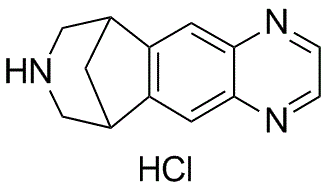 to exportation if animals are housed in shared enclosures where direct or indirect contact is allowed. Accordingly, transmission of Bd between Malagasy species from different collection localities may potentially exaggerate the number of affected species in wild populations and suggested distributional range of infection.. Furthermore, identifying the source of Bd detected in traded animals becomes especially challenging when animals from multiple countries are also present in the trade sector. Fortunately, this is not the case in Madagascar; commercial amphibian importation does not occur in the country and only those of national origin are traded. The absence of foreign-sourced amphibian species suggests my detection of Bd is not simply an artifact of re-exportation through the amphibian trade, but instead a reflection of Bd presence in the wild in Madagascar. Still, other non-amphibian wildlife trade activities may unknowingly introduce foreign infectious material to Madagascar and expose wild-collected frogs prior to exportation if housed at a shared facility. Albeit unlikely the result of such cross contamination, I employed a conservative approach by interpreting these data as confirmation of Bd presence in Madagascar within the amphibian trade, but not yet irrefutable evidence for Bd presence in wild amphibian populations, despite the strong suggestion. A second, more specific tier of surveillance via targeted field sampling applying this new information, is now imperative to determine the current extent of Bd in Madagascar outside the trade sector. A Isoacteoside predictive model of Bd distribution shows that the highest climatic suitability for Bd overlaps particularly closely with the distributional range of H. betsileo, from which MGHB42 was collected. Interestingly, the distributions of H. albuguttatus and S. Isochlorogenic-acid-C spinosa fall on the periphery of this climatic range and may have been collected from areas with moderate to low Bd suitability, potentially explaining their exceptionally low Bd zoospore loads compared to that detected in the specimen of H. betsileo. Accordingly, surveys to trace back the source of the Bd detected herein should commence immediately within the distributional ranges of H. betsileo, H. alboguttatus, and S. spinosa, target the larvae and subadults expected to exhibit increased susceptibility to infection.
The positive relationship of bilirubin with free T4 may at least in part be explained
Euthyroidism was defined as TSH, free T4 and free T3 levels within the reference range as provided by the manufacturer. We additionally excluded subjects with positive anti-thyroid peroxidase auto-antibodies. Applying these selection criteria, 1854 subjects were eligible for the current analyses. Patient characteristics, including age, sex, alcohol use, smoking status, body mass index, systolic and diastolic blood pressure, and waist circumference were obtained. Blood was drawn after an overnight fasting period for measurement of free T4, free T3, TSH, bilirubin, glucose, insulin, total cholesterol, high density lipoprotein cholesterol, triglycerides, aspartate aminotransferase, and alanine aminotransferase. To our knowledge, this is the first report on an independent positive relationship of total bilirubin with free T4 in a large group of euthyroid, non-diabetic individuals recruited from the general population. Of note, multivariable linear regression analyses demonstrated a significant positive modification of the effect of free T4 on bilirubin by insulin resistance as quantified by HOMAIR. This effect-modification remained essentially unaltered after controlling for potential confounders, including smoking, alcohol, transaminases, and total cholesterol. Our results, therefore, are in concert with the hypothesis that low-normal thyroid function may confer lower circulating bilirubin levels, especially in insulin resistant individuals. In addition, the effect of free T4 on bilirubin was modified by the HDL cholesterol concentration. We recently Ganoderic-acid-G documented a positive relationship of circulating levels of bilirubin with free T4 in euthyroid T2DM subjects. In that report, bilirubin was not significantly correlated with free T4 in non-diabetic subjects, possibly due to the limited number of participants. Moreover, it could not be determined what was the driving force behind this association, i.e. insulin resistance or hyperglycemia resulting from b-cell dysfunction. Our previous findings, therefore, endorsed our main rationale to investigate the association between bilirubin and free T4 in a large group of non-diabetic subjects. In the current study, we found bilirubin to be more strongly associated with HOMA-IR and insulin than with Albaspidin-AA glucose in age- and sex-adjusted analysis. Furthermore, a positive modification of the effect of free T4 on bilirubin by HOMA-IR was observed in such a way that the effect of free T4 on bilirubin was most pronounced in the most insulin resistant subjects. This effect modification was not observed with plasma glucose, raising the possibility that insulin 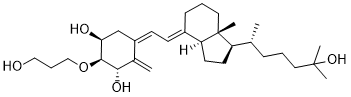 resistance rather than hyperglycemia per se could represent a mechanism linking low bilirubin to low normal thyroid function. In view of the strong anti-oxidative properties of the HDL fraction, and the modification of HDL antioxidative capacity by thyroid function, it is also of potential relevance that the effect of free T4 on bilirubin was modified by HDL cholesterol. The interaction of free T4 with insulin resistance on bilirubin may have pathophysiological relevance since lower thyroid functional status, impaired insulin sensitivity, and low bilirubin are all characterized by enhanced oxidative stress.
Associated with the diagnosis response to treatment in predicting progression-free survival for NSCLC
Accurate transcription by RNA pol III requires TFIIIB, while BRF2 is a component of TFIIIB. The regulation of pol III is integral to the growth control functions of RB, P53 and c-Myc, and TFIIIB activity is strictly regulated by Maf1, chemopreventative agents, oncogenes and tumor suppressors. BRF2 has been shown to be highly overexpressed in a variety of cancers including gastric, kidney and melanoma cancers. Recently, Lockwood et al. reported that overexpression of BRF2 could drive the expression of RNA pol III transcripts, contributing to squamous cell carcinoma tumorigenesis, and BRF2 has been identified as a novel lineage-specific oncogene in lung squamous cell carcinoma. However, to our knowledge, the expression of BRF2 and its correlation with clinicopathologic factors and prognosis in surgically resected NSCLC have not been investigated. In this study, we employed immunohistochemical method to examine BRF2 protein expression in clinical NSCLC samples, and  we analyzed the relationships of BRF2 expression with variable clinicopathologic features and patient prognosis. Moreover, we assessed the independent prognostic factors that affect long-term survival of NSCLC patients. The ability to proliferate uncontrollably is the dominant characteristic of many types of cancer cells. Evaluation of molecular prognostic factors is one important area of cancer research. BRF2 protein is encoded by a gene located on chromosome 8p12. Several studies have shown that BRF2 is overexpressed in several types of cancer and suggest the oncogenic role of BRF2. However, few studies have investigated the expression and significance of BRF2 in NSCLC, especially for the prognosis of NSCLC. In this study, our results showed that there was no Tubuloside-A significant correlation between BRF2 expression and the clinicopathological features of NSCLC. However, high MVD was significantly associated with T status in NSCLC, but not associated with age, gender, smoking, histology and differentiation. To a certain extent, T stage is a critical process of tumor development, and the difference in the correlation between MVD and clinicopathological features may reflect that the microvessel density is an important aspect of tumor development. However, we found no significant difference in BRF2 expression between lung adenocarcinoma and lung squamous cell carcinoma by immunohistochemical staining. Notably, our results showed that BRF2 protein overexpression was common in early NSCLC tissues and significantly associated with increased angiogenic activity measured as intratumoral MVD, suggesting that BRF2 plays crucial role in NSCLC tumorigenesis by the induction or/and promotion of tumor angiogenesis. Although multiple growth factors have been shown to regulate angiogenesis and vascular development, little is known about the complex regulation mechanism of gene expression and translation. Our results highlight the potential role of BRF2 in tumor angiogenesis. Our survival analysis demonstrated that high MVD and BRF2 protein overexpression significantly predicted Tenuifoliside-C decreased overall 5-year survival and higher recurrence rate. Further analysis using the Cox regression model confirmed that BRF2 expression and MVD were independent factors.