Supported the higher risk of tumor metastasis and may related to the promotion of blood flow in tumors. Our results did not exclude the possibility of lymphatic spreading or/and increased MMPs expression in MT-induced metastasis. Manipulation or massage therapies are usefully to support and release the tense for clinical care of cancer patients. However, in OS patients, because of the young age that many cases are mis-diagnosed as “growing pain” or “myofacial pain” and search for MT before diagnosed as OS that may influence the prognosis or survival rate. As there are increasing evidence that MT on tumor may take the risk to promote tumor progression and induce metastasis and taken our previous clinical observation and in vivo evidence together, we conclude and suggest that physicians should pay more a ention on those patients who seek MT or massage and should take prior diagnosis to get rid of the possibility of osteosarcoma. Recent studies suggest that the vaginal microbiome may be linked to soluble mucosal defense. Specifically, genital tract secretions have been consistently shown to possess in vitro Salvianolic-acid-B inhibitory activity against E. coli. This activity, which may reflect contributions from the host innate immune mediators such as defensins as well as from microbiota, may be critical during pregnancy and prevent dysbiotic vaginal colonization and ascending infection. Earlier studies showed that the E. coli inhibitory activity was reduced among non-pregnant women with BV and was restored following successful treatment with metronidazole. In a recent cross sectional study, genital tract secretions obtained by vaginal swabs from near term healthy pregnant women were found to 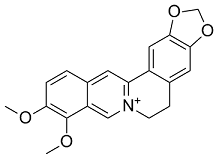 have significantly higher inhibitory activity against E. coli that was inversely correlated with E. coli vaginal colonization. A separate study using cervicovaginal lavage samples from healthy non-pregnant women suggested that the inhibitory activity may be mediated, at least in part, by soluble proteins secreted by lactobacilli. Using biochemical techniques including mass spectrometry, four Lactobacillus proteins were present exclusively in CVL samples with high, but not in samples with low activity. These proteins Coptisine-chloride included the S-layer protein, a bacterial surface layer protein, and a cell separation protein for L. crispatus and adhesion exoprotein for L. jensenii. Building on this background, the current study was designed to further evaluate the link between E. coli inhibitory activity and the vaginal microbiome and to test the hypothesis that high E. coli inhibitory activity would be associated with healthy Lactobacillus species dominant microbiome whereas low activity would be associated with a more diverse microbiome. Utilizing samples previously obtained from healthy near term pregnant and nonpregnant women, we also tested the hypothesis that pregnancy would alter the microbiome, as suggested in a prior study. There were no differences detected in the vaginal microbiome between healthy near term pregnant and non-pregnant women. These findings are consistent with one other study in which the microbiome exhibited less diversity and richness in pregnant women sampled between 18�C32 weeks gestation.