GRP78 is well-known to reside inside the ER lumen. However, this chaperone is also located at the cell surface of cancer cells and cells undergoing ER stress. The mechanisms responsible for the translocation of this protein from the ER to the cell surface remain 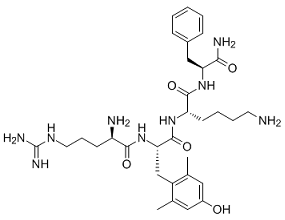 poorly understood. The KDEL sequence of GRP78 present in its C-terminal part is involved in maintaining proteins within the ER lumen. It was thus hypothesized that overexpression of GRP78 observed under stress conditions may exceed the retention capacity of the KDEL retrieval system, resulting in relocation of GRP78 from the ER to the cell surface. It was also hypothesized that the masking of the KDEL may be implicated in GRP78 transport to the cell surface. AbMole Povidone iodine Additionally, particular GRP78-interacting protein partners are involved in the transport of GRP78 from the ER to the cell surface, and this can be cell-type-specific. For example, MTJ-1 binds GRP78 and silencing MTJ-1 expression decreases cell-surface GRP78 expression in macrophages. In prostate cancer cells, Par-4 seems to be required for the translocation of GRP78 from the ER to the plasma membrane. On the outer plasma membrane, GRP78 functions as a receptor for a wide variety of ligands and several small proteins can bind to surface GRP78 and modulate properties of cells. Compared to normal tissue, tumours are subject to stress due to elevated glycolytic activity, inadequate blood vessel, creating a microenvironment of glucose deprivation, acidosis, and hypoxia. Under such conditions, the level of GRP78 expression is highly induced and AbMole Miglitol becomes essential for cell survival. Its expression has been implicated in proliferation, invasion, apoptosis or cell survivaland drug resistance processes. Indeed, knock down of GRP78 inhibits tumour cell invasion in vitro. Suggesting an important role of GRP78 in cancer progression. However, the mechanism whereby GRP78 confers growth advantage to tumour cell is just emerging. The presence of GRP78 on the cell surface of metastatic cancer cells tends to suggest that it may mediate signal transduction pathways that induce proliferation and invasion. Recently, we have demonstrated that GRP78 was highly expressed in trophoblastic cells and could also be found on these cells surface. Trophoblasts are specialized cells of the placenta that are necessary for the formation of fetomaternal interface. Trophoblastic cells differentiate according to the villous or the extravillous pathway. In the extravillous pathway, extravillous cytotrophoblastic cells proliferate and differentiate into an invasive phenotype. These cells invade decidual stromal compartments as well as spiral arteries of the decidua and the proximal third of the myometrium during the first trimester of pregnancy.